


Inside Flexible Packaging: Raw Materials Explained

What Is Flexible Packaging?
Flexible packaging is one of the most innovative and rapidly growing solutions in today’s packaging industry. It combines efficiency, sustainability, and high performance — offering protection, lightweight design, and reduced environmental impact.
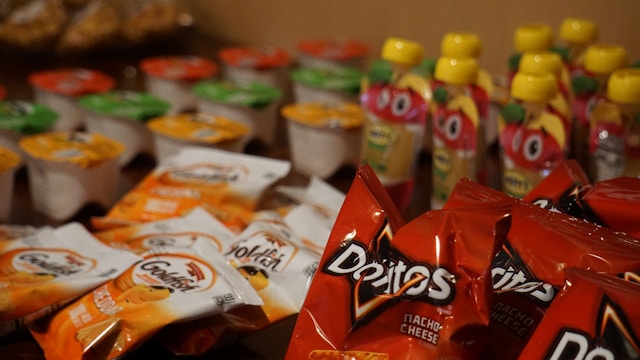
Commonly used in food, pharmaceutical, personal care, and consumer goods, flexible packaging continues to redefine how products are stored, protected, and presented.
Definition of Flexible Packaging
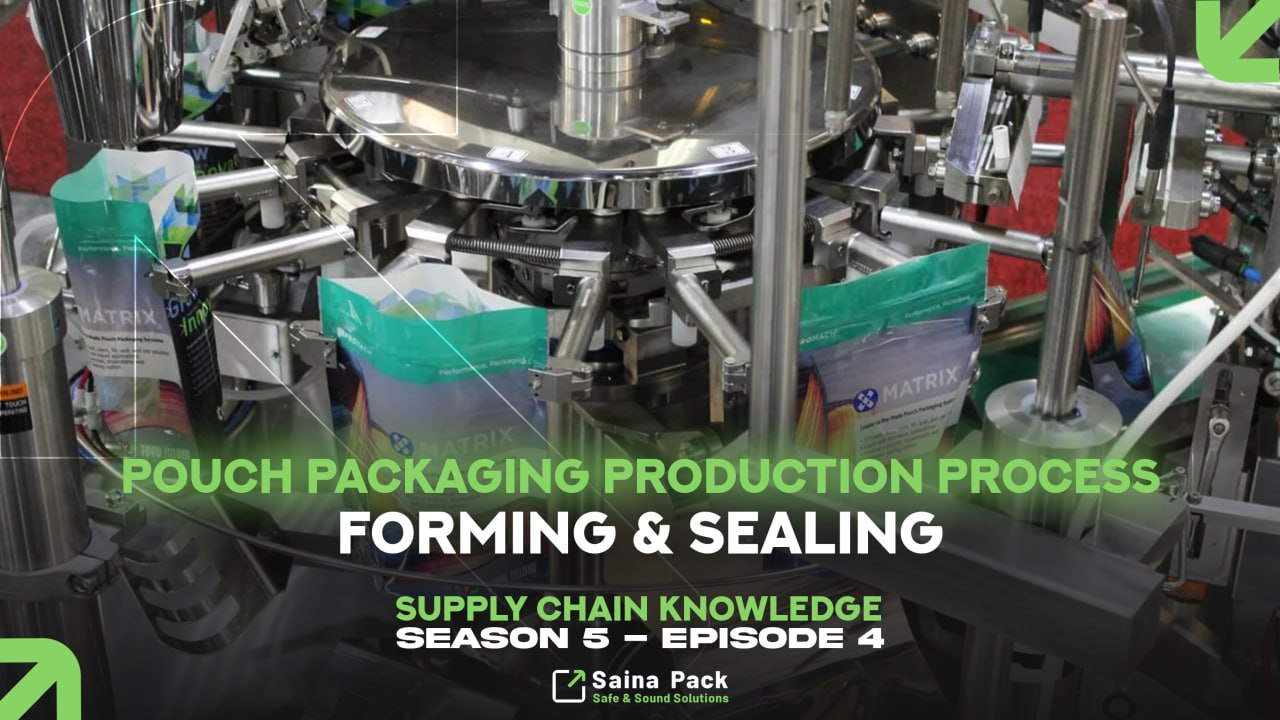
Flexible packaging refers to any packaging material whose shape can easily change when filled or sealed. Unlike rigid containers, flexible formats use multiple layers of materials such as films, foils, paper, and laminates to provide strong protection while minimizing weight and waste.
Common types of flexible packaging include:
- Pouches
- Wraps
- Bags
- Films
- Laminates
These solutions offer a balance of functionality, cost efficiency, and sustainability, making them a preferred choice for modern brands.
Key Raw Materials in Flexible Packaging
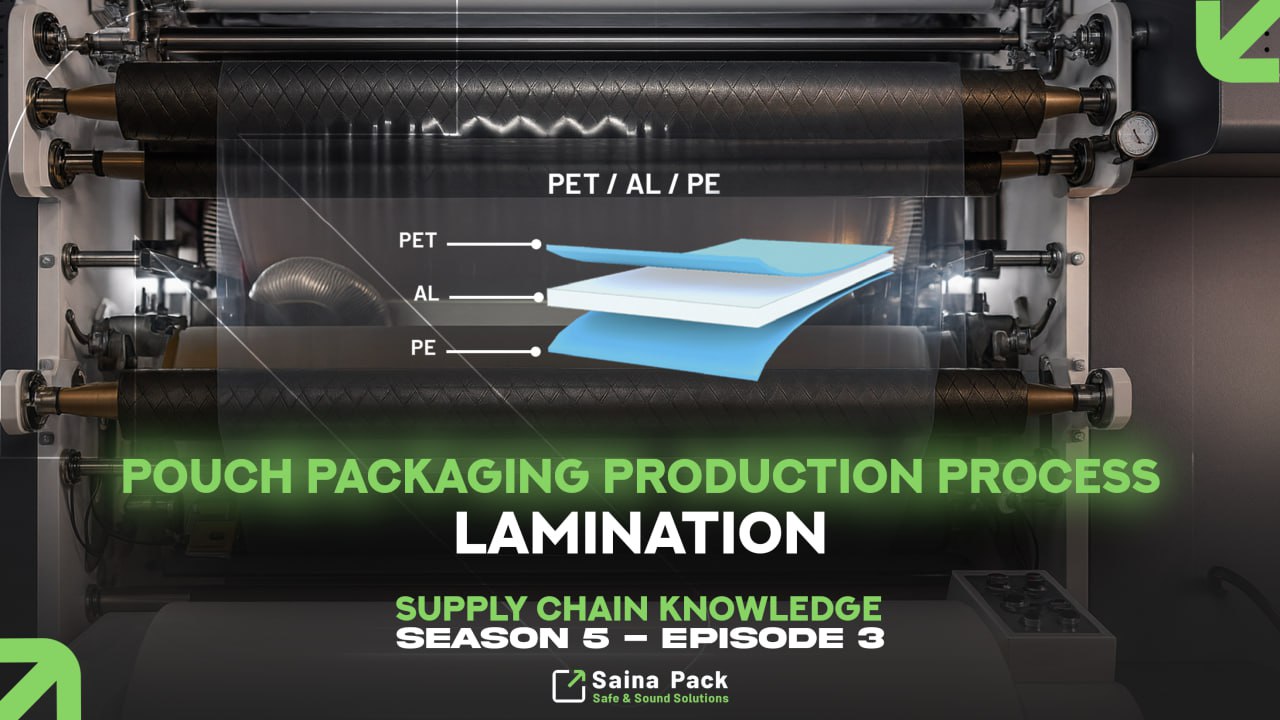
Flexible packaging is made from various materials chosen for their performance, durability, and barrier properties. These materials are typically divided into four main groups.
- Polymers
Polymers form the foundation of most flexible packaging structures.
- LDPE, LLDPE, HDPE – Provide flexibility, sealing ability, and moisture resistance.
- PP, PET, PA – Add strength, toughness, and clarity.
- EVOH – Offers excellent gas barrier properties and prevents oxygen penetration.
Polymers make packaging lightweight yet strong, maintaining product quality and shelf life.
- Paper
Paper, especially kraft paper, is valued for its natural appearance and recyclability.
It can be used alone or laminated with films to enhance strength and barrier performance.
- Kraft paper – Provides structure and a sustainable look.
- Coated or laminated paper – Improves print quality and moisture resistance.
Paper-based packaging is widely used by eco-friendly and organic brands seeking sustainable options.
- Aluminum Foil
Aluminum foil is a highly effective barrier material that blocks light, oxygen, and moisture.
Despite its thinness, it offers excellent protection for sensitive products such as coffee, pharmaceuticals, and premium food items.
It helps preserve freshness, flavor, and product stability over time.
- Additives and Inks
Additives improve the performance and visual appeal of flexible packaging.
- Adhesives, primers, and lacquers – Enable lamination and surface protection.
- High-performance printing inks – Enhance color quality and brand visibility.
These components ensure that flexible packaging remains both functional and visually attractive.
Benefits of Flexible Packaging
- Lightweight and cost-efficient – Reduces transportation and storage costs.
- Material-efficient – Uses less raw material compared to rigid packaging.
- Highly customizable – Allows for advanced printing and creative designs.
- Protective – Shields products from moisture, oxygen, and light.
- Sustainable – Supports recyclability and eco-friendly materials.
Flexible packaging offers brands an ideal balance of performance, cost-effectiveness, and sustainability.
Conclusion
As industries move toward smarter and more sustainable solutions, flexible packaging stands out as a key innovation in modern manufacturing.
Its combination of lightweight design, superior protection, and environmental adaptability makes it an essential choice for businesses aiming to reduce waste and improve efficiency.
👉 Next Topic: Production Methods in Flexible Packaging
Explore how different production techniques influence performance, quality, and sustainability.