

Inside Flexible Packaging: Production Methods
Introduction

After understanding the raw materials used in flexible packaging, the next step is to explore how these materials are transformed into high-performance packaging solutions. The following key production processes form the foundation of flexible packaging manufacturing.
Core Processes
- Extrusion
- Lamination
- Coating
- Printing
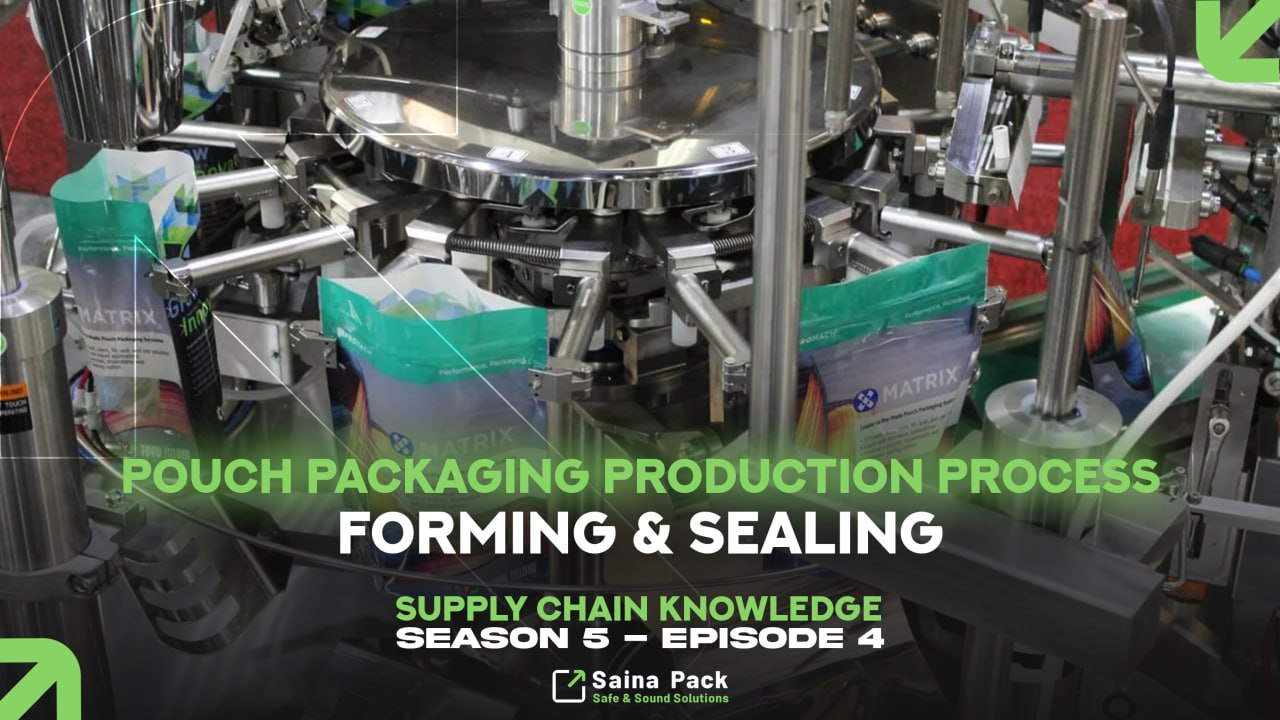
- Slitting & Pouch Making
- Extrusion
Overview:
Extrusion is the process of melting plastic resins and shaping them through a die to form continuous films or sheets. This step is critical in determining the mechanical and barrier properties of flexible packaging materials.
Main Methods:
- Blown Film Extrusion: In this method, molten polymer is inflated like a bubble to create flexible, uniform films. It is ideal for producing multilayer structures with excellent strength and barrier performance.
- Cast Film Extrusion: The molten polymer is extruded onto a cooled flat surface to produce smooth, highly transparent films with consistent thickness and superior sealing characteristics.
These techniques enable manufacturers to produce mono- and multi-layer films tailored for specific applications such as food, pharmaceutical, and industrial packaging.
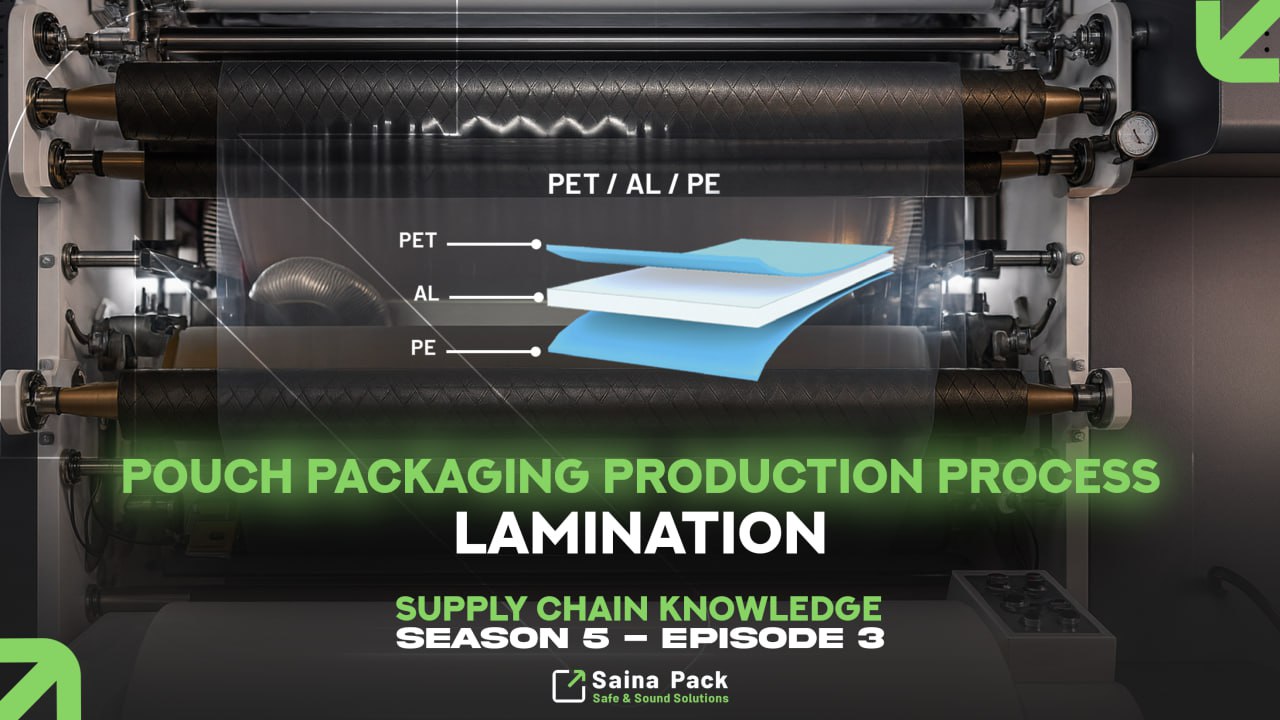
- Lamination
Overview:
Lamination combines multiple substrates—such as plastic films, paper, and aluminum foil—into a single composite structure. This enhances properties like barrier protection, strength, and print quality.
Lamination Methods:
- Dry Bond Lamination – Uses adhesive and heat to bond substrates after solvent evaporation.
- Solventless Lamination – Employs reactive adhesives without solvents, promoting sustainability and faster curing.
- Extrusion Lamination – Utilizes molten resin as the bonding medium for excellent adhesion and durability.
Through lamination, manufacturers can achieve optimal combinations of flexibility, protection, and aesthetics.
- Coating
Overview:
Coating is applied to improve surface functionality and performance. Depending on the application, coatings can enhance printability, sealing efficiency, and moisture or gas barrier properties.
Common Applications:
- For enhanced printability
- For stronger heat sealing
- For improved barrier protection
These coatings ensure the final packaging performs reliably across diverse environmental conditions and product requirements.
- Printing
Overview:
Printing brings the brand to life by adding graphics, product information, and regulatory details. Flexible packaging commonly utilizes advanced printing technologies for accuracy and vibrant imagery.
Printing Techniques:
- Flexographic Printing – Efficient for high-volume runs with quick-drying inks.
- Rotogravure Printing – Offers superior image quality and color consistency.
- Digital Printing – Enables short-run production with high customization and minimal setup.
High-quality printing ensures strong shelf appeal and effective communication with end consumers.
- Slitting & Pouch Making
Overview:
In the final stage, large laminated rolls are precisely slit into smaller widths and converted into the desired packaging formats—such as pouches, bags, or wraps. These are then ready for filling, sealing, and distribution.
Purpose:
Converting master rolls into final pack formats ready for end-use applications.
Conclusion
From extrusion to pouch making, each process plays a vital role in transforming raw materials into functional, durable, and visually appealing flexible packaging.