



Flexible Packaging in Modern Supply Chains: Applications, Advantages, Trends, Challenges & Future Outlook

Introduction
Flexible packaging has become an integral part of modern manufacturing and global supply chains. Used across food and beverage, pharmaceuticals, personal care, and industrial products, this packaging format delivers exceptional versatility, convenience, and performance—making it a preferred choice for both manufacturers and consumers.
Applications of Flexible Packaging
Flexible packaging is widely adopted in various sectors due to its adaptability and lightweight design.
Key applications include:
- Food & Beverage: Extended freshness, reduced material waste, and improved product visibility.
- Pharmaceuticals & Medical: Secure containment with barrier protection and tamper-evident sealing.
- Personal Care & Cosmetics: Premium aesthetics with customizable finishes and portability.
- Industrial & Agricultural: High durability and protection from environmental exposure.
Advantages of Flexible Packaging
Flexible packaging provides several technical and economic advantages, making it a highly efficient choice in the packaging industry.
Main benefits include:
- Lightweight & Cost-Effective: Lower logistics costs and reduced material usage.
- Design Flexibility & Shelf Appeal: Supports creative branding and consumer engagement.
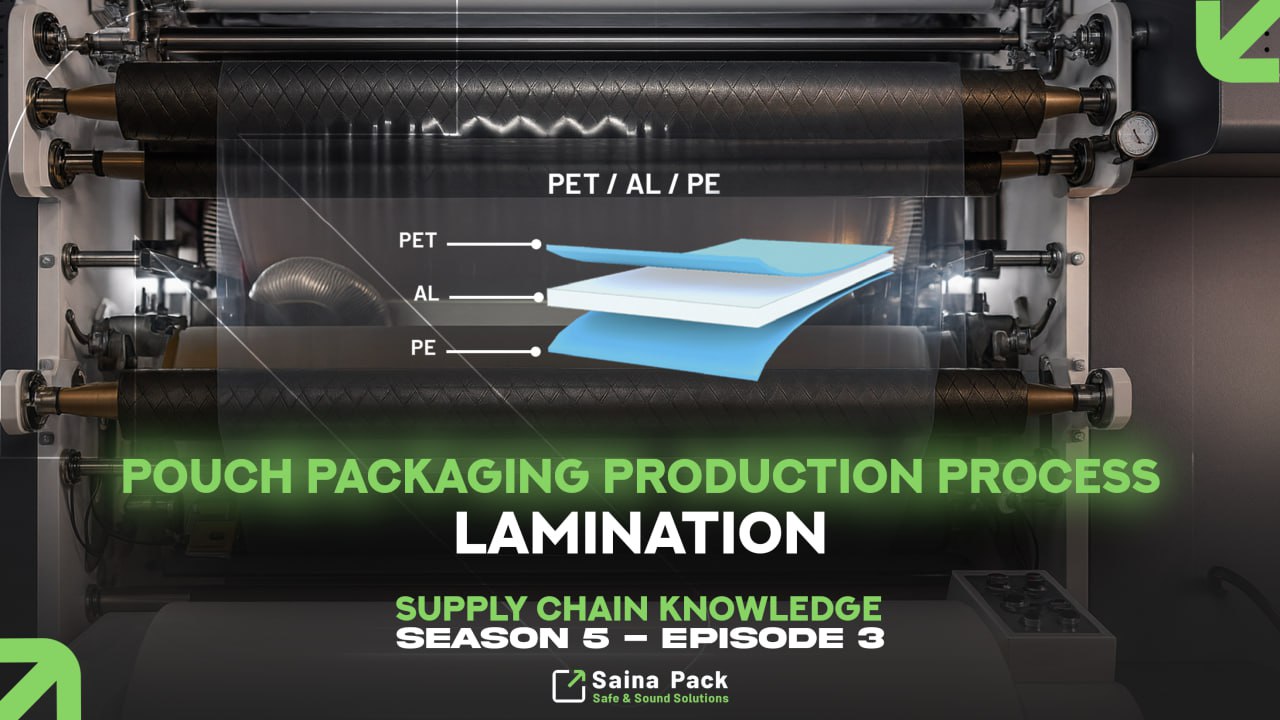
- Superior Product Protection: Advanced multi-layer barrier films ensure freshness and quality.
Limitations & Considerations
Despite its strengths, flexible packaging presents certain environmental and material challenges:
- Recycling Difficulties: Multi-layer composites are complex to recycle.
- Heat Sensitivity: Some polymer materials are not suitable for high-temperature conditions.
- Limited Shelf Life: May offer shorter protection compared to rigid packaging formats.
Market Trends & Opportunities
The flexible packaging market is rapidly evolving with a strong focus on sustainability and digital innovation. Industry leaders are investing in:
- Recyclable & Mono-Material Films: Enhancing circularity and reducing landfill waste.
- Smart Packaging Technologies: Integration of QR codes, freshness indicators, and digital tracking.
- Lightweighting & Digital Printing: Reducing carbon footprint while enabling short-run, customized designs.
These innovations are transforming packaging into a strategic enabler of brand transparency and environmental responsibility.
Key Industry Challenges
The transition toward sustainable packaging comes with its own set of global challenges:
- Recycling & EPR Compliance: Navigating international regulations and extended producer responsibility (EPR) frameworks.
- Cost vs. Sustainability Balance: Aligning eco-friendly goals with production economics.
- Material Supply Volatility: Managing price fluctuations for polymers, aluminum, and specialty films.
Standards & Regulatory Compliance
Ensuring safety, quality, and sustainability requires adherence to stringent global standards.
Key regulatory frameworks include:
- Food Contact Standards: EU and FDA regulations for material safety.
- Sustainability Labels: Initiatives such as CEFLEX and How2Recycle.
- Testing Standards: Compliance with ASTM, ISO, and TAPPI protocols for barrier, tensile, and seal integrity.
Future Outlook: Toward a Circular Packaging Economy
The flexible packaging industry is shifting toward a circular economy, emphasizing recyclability, reusability, and performance optimization.
Future innovations will focus on:
- Developing eco-friendly barrier materials.
- Enhancing recycling infrastructure.
- Achieving a balance between protection, sustainability, and cost-efficiency.
⚡ Key Takeaway:
Flexible packaging continues to redefine modern supply chains—offering an optimal blend of product protection, sustainability, and economic value through advanced material science and smart design.